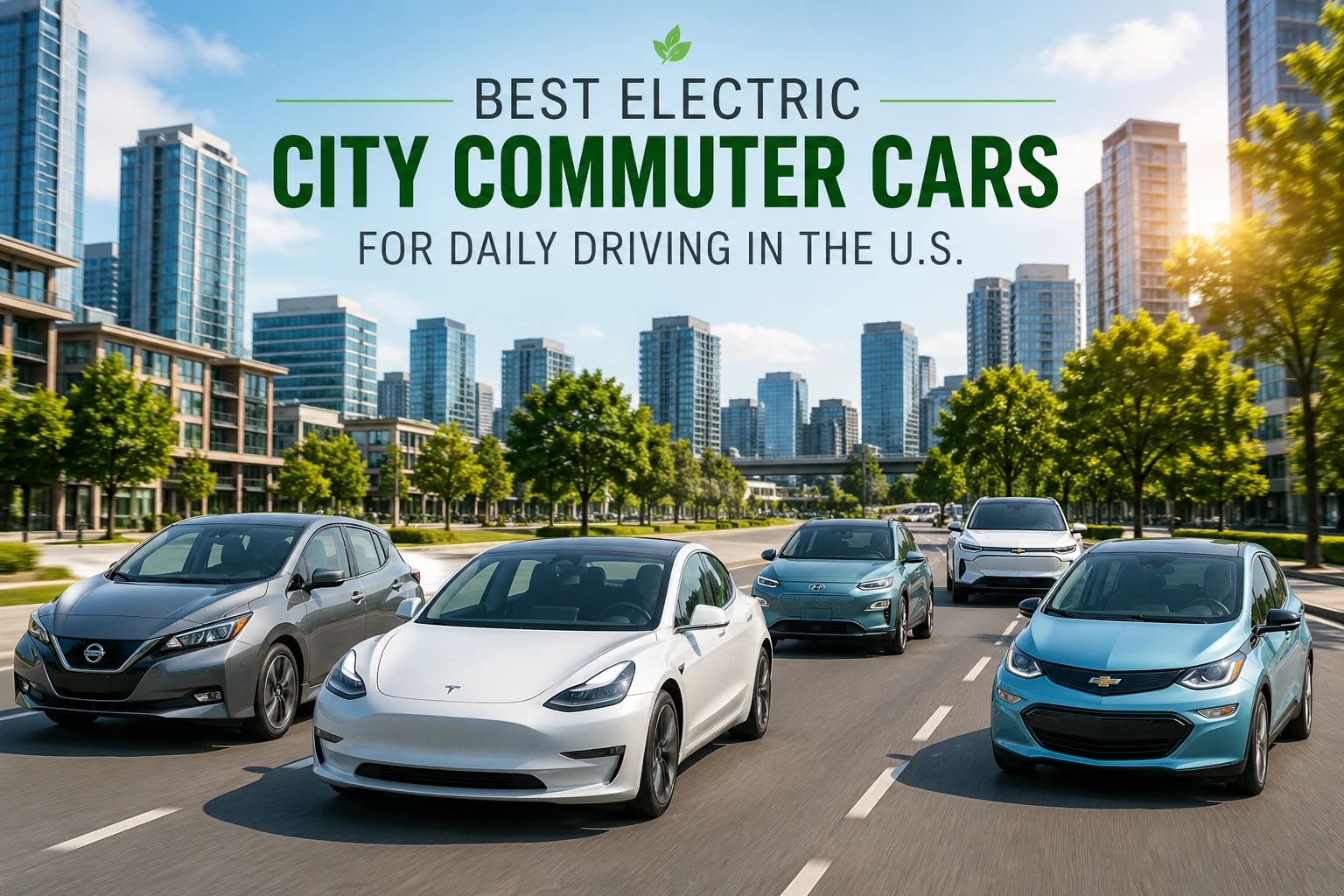


Hybrid vs electric cars in the U.S. is one of the most common questions for drivers looking to switch to more fuel-efficient and eco-friendly vehicles. With rising fuel costs and growing interest in cleaner transportation, many buyers are comparing hybrid and electric options before making a decision.
Both types of vehicles offer advantages, but the right choice depends on your driving habits, budget, and access to charging. In this guide, we’ll break down the differences between hybrid and electric cars in the U.S. to help you choose the best option for your daily driving needs.
Hybrid vs Electric Cars in the U.S.: Key Differences
The main difference between hybrid and electric cars in the U.S. is how they use energy. Hybrid vehicles combine a gasoline engine with an electric motor, while electric cars run entirely on battery power.
Hybrid cars do not require external charging and are convenient for long-distance driving. Electric vehicles, on the other hand, produce zero emissions and offer lower running costs, making them ideal for city commuting.
Understanding these differences is important when deciding between hybrid vs electric cars for daily driving in the U.S.
What Are Eco Friendly Vehicles?
Eco friendly vehicles are cars that are designed to reduce pollution and use energy more efficiently. Conventional vehicles are powered by petrol or diesel, emitting gases that are harmful to the atmosphere. Conversely, these cars are geared towards reducing or even eliminating emissions. It is of two kinds. Hybrid cars consume fuel and electricity, whereas electric cars are entirely battery-powered.
Both are beneficial as they contribute to lowering your carbon footprint and will save you money on fuel in the long run. Technology is also improving and making these vehicles more practical. They are more preferred by many people for daily driving due to their silence, efficiency, and environmental friendliness.
For fuel savings, you can also explore our list of cheap cars with best MPG in the U.S.
How Do Hybrid Cars Work?
Hybrid vehicles are those that have an electric motor and a petrol engine. The car alternates between these two sources of power according to the driving conditions. In other instances, the two systems are coupled to enhance performance and fuel efficiency.
Convenience is one of the greatest benefits of hybrid cars. They do not require any charging, like fully electric cars. Rather, they are typically charged by their generator braking and the engine. This simplifies the use of hybrid cars by those who have to travel long distances or are not able to access the charging stations on a regular basis.
Hybrid cars can be a good compromise in the situation when some people desire to have lower emissions but are not prepared to switch to the electric mode of driving completely. They consume fuel, but they consume more efficiently than conventional cars.
This makes hybrid cars a practical option for drivers who want better fuel efficiency without relying on charging infrastructure.
You can compare official fuel economy and EV data on FuelEconomy.gov.
How Do Electric Cars Work?
Electric vehicles are entirely powered by a battery and do not consume petrol or diesel. They should be charged with the help of a charging point or home charging station. They emit no tailpipe emissions since they do not combust fuel.
The low running cost is one of the greatest benefits of electric cars. Electric power is usually more affordable than fuel, and electric vehicles tend to require less maintenance due to fewer moving components. This is why many drivers now look at affordable electric cars when planning a switch to cleaner transportation.
Nonetheless, electric vehicles rely on battery capacity and charging availability. This implies that they are usually suitable for individuals whose day-to-day traveling is known and can easily charge the car at home, at work, or in the area.
Electric cars are especially popular in the U.S. for city driving due to their low maintenance costs and smooth performance.
Hybrid vs Electric: Major Differences
The main difference between hybrid and electric cars is the source of power. Hybrid cars consume both electricity and fuel, whereas electric cars are powered by the battery alone.
These are some of the simple differences:
- Hybrid cars still need fuel.
- Electric vehicles require electricity, rather than fuel.
- Hybrid vehicles can be more convenient for traveling long distances.
- Electric cars have zero tailpipe emissions.
- Hybrid cars are flexible.
- Electric cars usually have lower maintenance costs.
Both kinds of green cars are advantageous, yet the correct choice will be based on your driving and location.
Things to Consider Before Choosing
Before buying either type of car, it is important to think about a few practical factors:
- Your daily driving distance.
- Availability of home or public charging.
- Fuel and electricity costs in your area.
- Purchase budget.
- Maintenance expectations.
- Long-term environmental goals.
Looking at these factors will help you choose the type of car that fits naturally into your life. A car may be efficient on paper, but it should also be convenient for your routine.
Which Is Better for You in the U.S.?
Choosing between hybrid vs electric cars in the U.S. depends on your lifestyle. If you drive long distances or don’t have easy access to charging, a hybrid car may be the better option.
If your driving is mostly within the city and you have access to home or public charging, an electric car can help you save more on fuel and maintenance over time.
Both options are better than traditional gasoline vehicles, and your final choice should match your daily routine and budget.
If you are considering electric options, check out our guide on electric city commuter cars in the U.S.
Conclusion
The future of driving is hybrid and electric cars. They provide smarter, cleaner, and more efficient means of traveling. You can either have a hybrid to be flexible or an electric car to have zero emissions, but either way, there are long-term advantages.
Are you willing to make a smart move? Discover these eco friendly vehicles now and select the one that will suit your lifestyle and aid in moving to a cleaner and better future.